Modern Dental Fillings: Natural Look, Long-Lasting Results
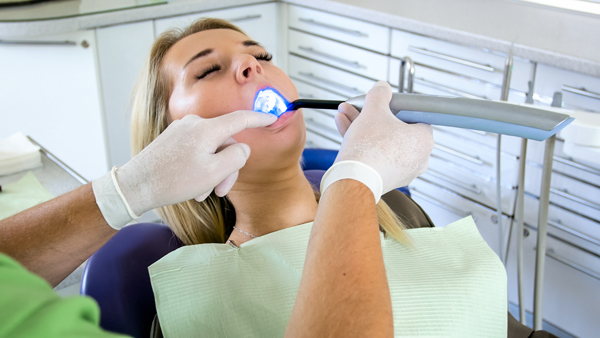
Modern dental fillings bend strength with a lifelike appearance, helping restore teeth while preserving natural structure. Advances in adhesion, ceramics, and resin chemistry allow dental fillings to match shade, shape, and function with remarkable precision. With the right material and technique, dental fillings resist wear, seal out bacteria, and support comfortable chewing for years.
Why dental filling material choice matters
Every tooth, cavity location, and bite pattern is different. Choosing the best material for dental fillings depends on factors such as cavity size, proximity to the gumline, and chewing forces. Front teeth benefit from maximum translucency, while back teeth require extra durability. A tailored choice supports both aesthetics and longevity.
Types of dental fillings
Long gone are the days of a one-size-fits-all approach to dental fillings. Modern fillings host a variety of options.
Composite resin
Tooth-colored composite remains the workhorse for small to medium restorations. Fine glass particles within a resin matrix create a natural shine and strength suitable for most areas of the mouth. Adhesive bonding allows conservative preparation, which protects healthy enamel and often improves post-treatment comfort. Layering techniques and careful light-curing minimize sensitivity and create seamless margins that are difficult to detect.
Glass ionomer and bioactive options
In areas near the gumline or where moisture control is difficult, glass ionomer cements provide reliable bonding and steady fluoride release. These materials help remineralize adjacent enamel and are gentle to gum tissues. Newer "bioactive" hybrids combine ion release with improved strength and polishability, offering a smart option for high-risk patients or non-load-bearing zones. When indicated, these materials integrate well with the composite to maximize both protection and appearance.
Ceramic and indirect restorations
Larger defects or fractures may benefit from porcelain inlays, onlays, or partial crowns. Milled or pressed ceramics deliver exceptional wear resistance and stain stability, with color and translucency that mimic natural enamel. Indirect fillings distribute biting forces more evenly than bulk composite in wide cavities, which helps preserve tooth integrity. Digital scanning and same-day milling in some offices streamlines delivery while maintaining precision.
Amalgam dental fillings
While many practices now favor tooth-colored solutions, amalgam remains strong and long-lasting in select situations. It tolerates moisture better than many alternatives during placement and performs well in high-load areas. For patients who prefer metal-free care, modern composites and ceramics provide dependable alternatives when isolation and technique allow.
Technique drives longevity
Material quality matters, but technique often makes the difference. Rubber dam isolation or careful retraction protects the bonding field from saliva and improves seal quality. Adhesive systems that condition, prime, and bond in a controlled sequence reduce microleakage. Proper shaping and polishing prevent plaque retention and help dental fillings feel smooth against the tongue, which supports long-term gum health.
Everyday habits that protect fillings
Simple, consistent routines extend the life of new restorations. Consider the following care tips:
- Brush twice daily with a soft brush and a low-abrasive fluoride toothpaste, and use floss or interdental brushes to clean contact areas.
- Limit frequent sipping of acidic or sugary drinks, and avoid chewing ice, pens, or hard candies that can crack enamel and dental fillings.
- Avoid smoking or vaping as the chemicals can degrade or weaken dental filling materials, leading to cracks or a complete loss of material.
These habits reduce recurrent decay at margins and keep surfaces glossy and stain-resistant.
Managing sensitivity and bite balance
Mild temperature sensitivity can occur for a short time as a tooth adapts. A desensitizing toothpaste and careful hydration usually help. If a tooth feels too high when biting, an adjustment restores harmony and prevents microscopic cracks or soreness. Nighttime clenching or grinding places heavy stress on teeth and dental fillings. However, a custom nightguard spreads forces and protects both natural enamel and restorations.
When a dental filling needs attention
Warning signs include edge roughness, food trapping between teeth, dark shadows at margins, or a sudden change in bite. Intermittent sensitivity to sweets or cold may indicate a small leak or crack that benefits from early repair. Routine exams and periodic bitewing X-rays allow small concerns to be corrected before they require larger treatment, preserving tooth structure and reducing cost.
Prevention pairs with restoration
Strong restorations thrive in a healthy environment. Regular cleanings remove plaque and tartar that threaten the edges of dental fillings. Diet choices that favor fiber-rich produce, lean protein, and calcium-rich foods support enamel strength. For patients with dry mouth from medications or mouth breathing, saliva-support strategies and supplemental fluoride help defend against new decay.
Repair your teeth with dental fillings
Today's dental fillings combine aesthetics, durability, and conservative tooth preservation. By matching material to the site, controlling moisture during placement, and reinforcing healthy daily habits, most restorations remain for many years. Do you have cracked or compromised teeth? Contact Bellaire Dental Suite to schedule a consultation and repair them.
Request an appointment here: https://bellairedentalsuite.com or call Bellaire Dental Suite at (832) 266-0665 for an appointment in our Bellaire office.
Check out what others are saying about our dental services on Yelp: Composite Fillings in Bellaire, TX.
Related Posts
A dental filling is important in achieving good dental health and a painless smile. This dental restoration can seal the tooth and protect it from further decay. Knowing when to get fillings can help you achieve your smile goals earlier. Here are the signs your tooth may need a dental filling right away.Pain often develops…
A cavity indicates that your tooth is decayed to some extent and requires a dental filling. This tooth decay will spread even further if it is not addressed by a dental professional. Cavities are treated by filling them with one of the dental materials designed to treat cavities, which prevents further tooth deterioration. Maintaining the…
Routine dental procedures are a crucial part of maintaining good oral health. Continue reading to find out more about common routine dental procedures. In general dentistry, there are a lot of different procedures that may be considered routine, all of which are very important.Below is an overview of some routine dental procedures, including why they…
An experienced cosmetic dentist can provide dental veneers to help you regain your smile. The custom-fit shells can improve your looks. Each one can even provide support for your teeth. Here are the questions to ask your cosmetic dentist to find out if getting veneers will be a good decision for you.These thin shells go…